Dubrovnik to Dubrovnik: 7-Day Yacht Charter Itinerary in Croatia
One-Week Dubrovnik Round-Trip Yacht Charter: Mljet, Korčula, Hvar, Pelješac and the Elaphiti Islands
This 7-day Dubrovnik to Dubrovnik yacht charter itinerary starts in the Dubrovnik area and includes some of the most popular islands and coastal destinations along the Dalmatian coast: the Elaphiti Islands, Mljet, Korčula, Hvar, the Pakleni Islands and Pelješac.
During the week, you can explore Mljet National Park and historic island towns, swim in sheltered bays with crystal-clear water, and enjoy evenings in waterfront towns and island villages.
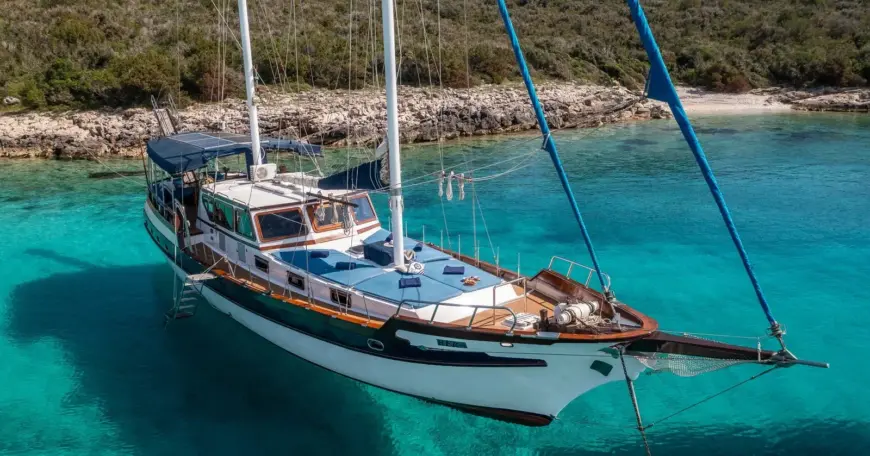
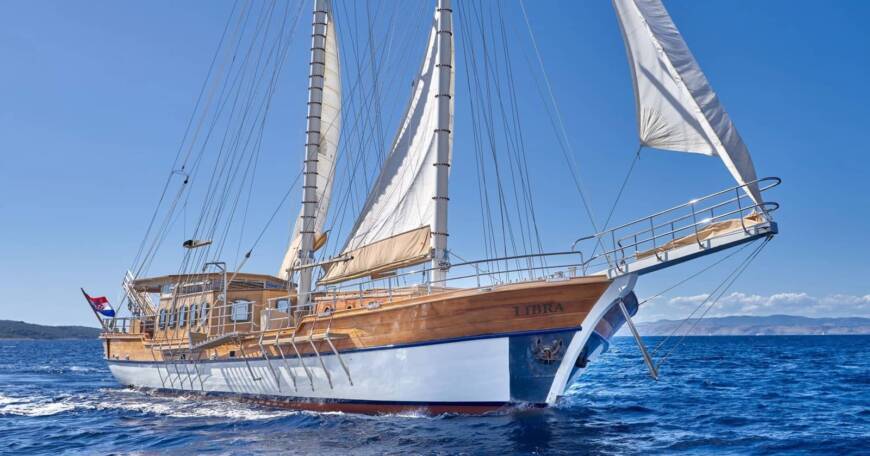
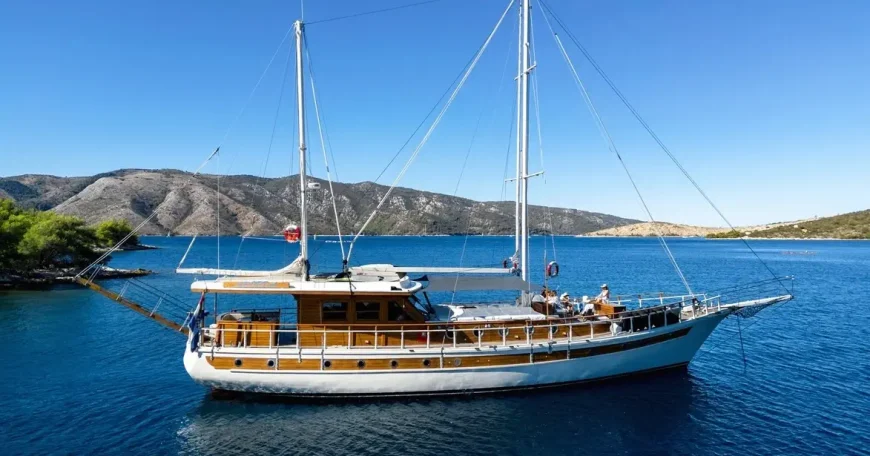
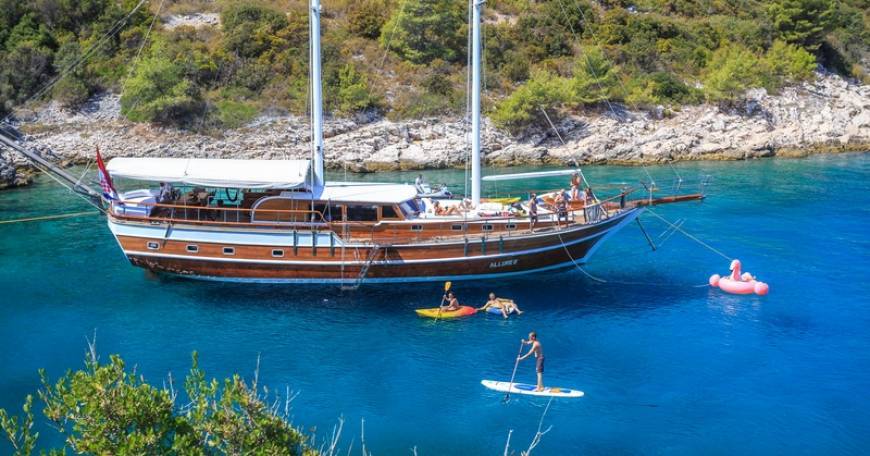
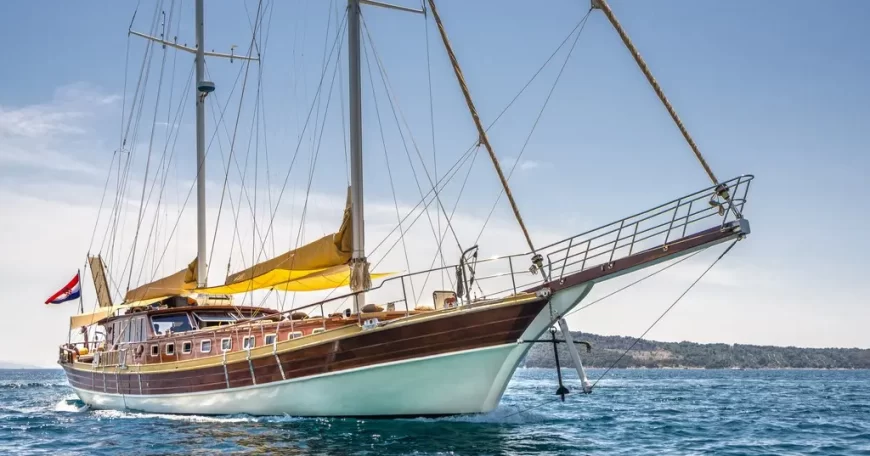
This itinerary can be adapted to different types of private yachts, including gulets, motor sailers, privately chartered mini cruisers, motor yachts, sailing yachts and catamarans. The final route is agreed after booking, based on the selected yacht and the group’s preferences. Cruising times between individual stops vary depending on the selected yacht.
What This Dubrovnik to Dubrovnik Yacht Charter Route Offers
With embarkation and disembarkation in Dubrovnik or Zaton Veliki, this one-week route covers several Croatian islands and returns to the same area at the end of the cruise. Along the way, there is time to explore historic towns, visit Mljet National Park, swim in sheltered bays, discover smaller island settlements, taste local wines and dine in waterfront restaurants.
There is also time to relax on board between stops, while a few days in Dubrovnik can be added before or after the cruise.Dubrovnik to Lopud
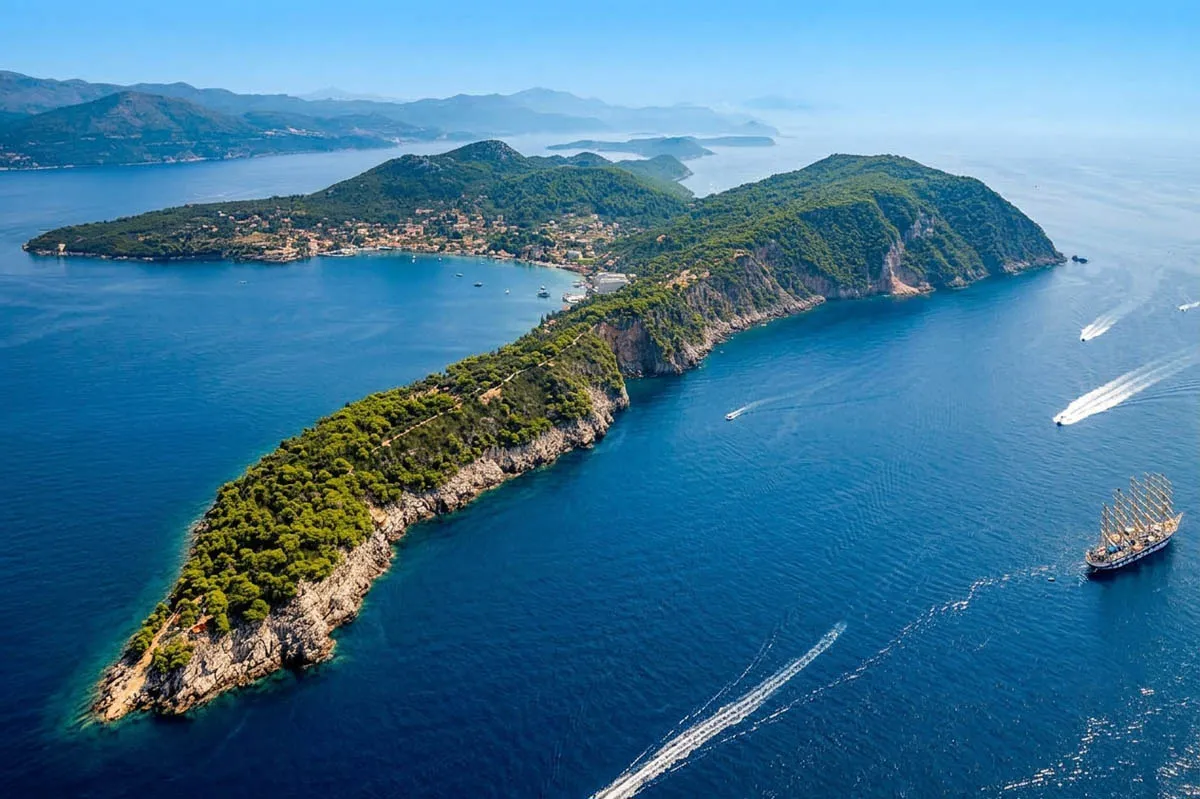
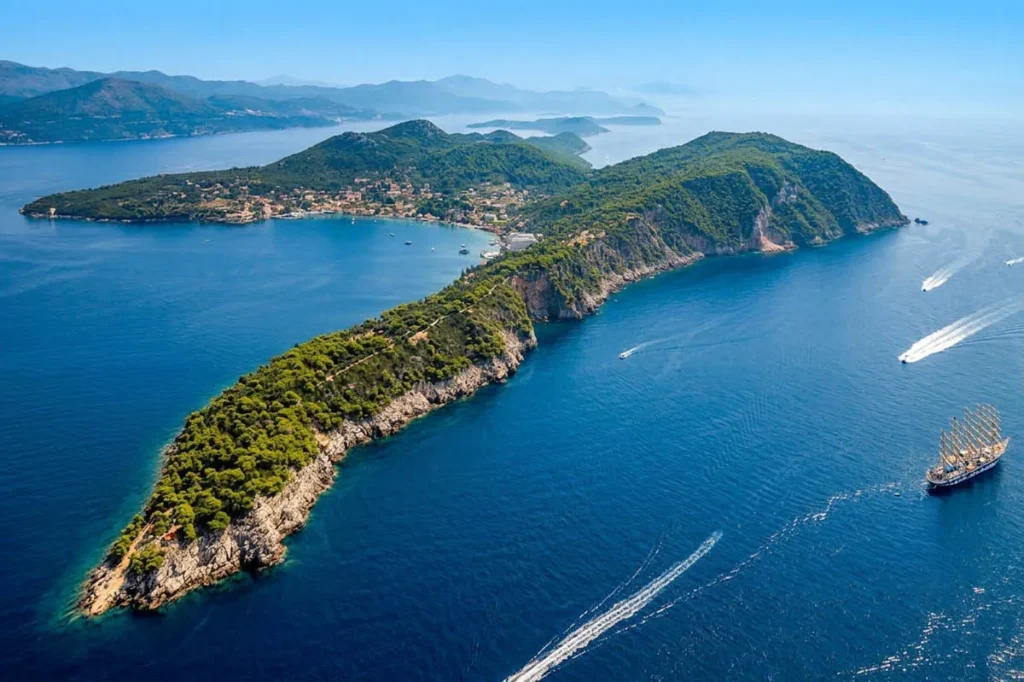 Lopud island Croatia
Embarkation in Dubrovnik or Zaton Veliki, near Dubrovnik, usually begins around 17:00. From there, the yacht heads towards Lopud, giving guests time to settle in and enjoy the views of the Dubrovnik coastline.
Lopud is a car-free island with a pleasant waterfront, Mediterranean gardens, and a long connection with Dubrovnik’s maritime history. Old churches, monastery buildings, stone houses, and the remains of noble summer residences can still be seen around the island.
Lopud is also known for Šunj, one of the best-known sandy beaches near Dubrovnik. Set in a wide bay on the opposite side of the island from the main settlement, it is unusual for this part of the Croatian coast, where pebble beaches and rocky coves are more common.
Small restaurants and cafés line the waterfront, and the village is easy to explore on foot during the first evening. The following morning, the route continues towards Mljet.
Overnight stay on Lopud.
Lopud to Mljet
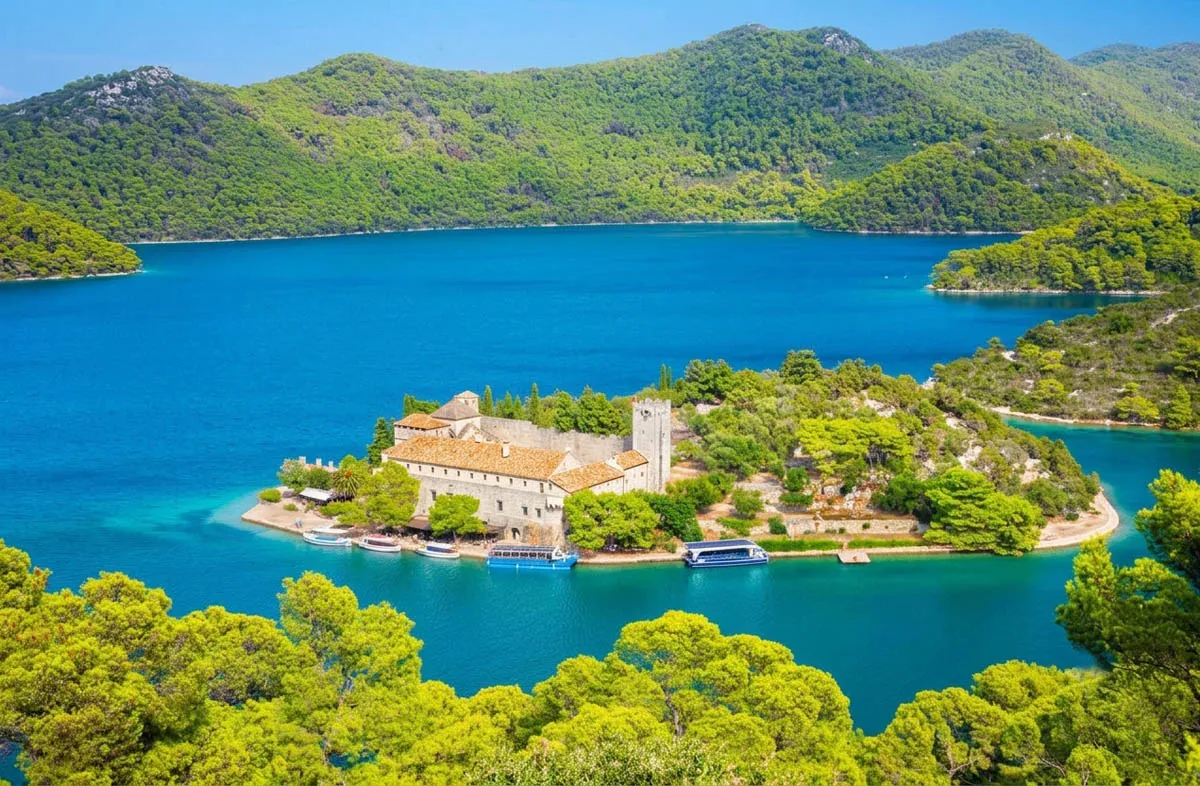
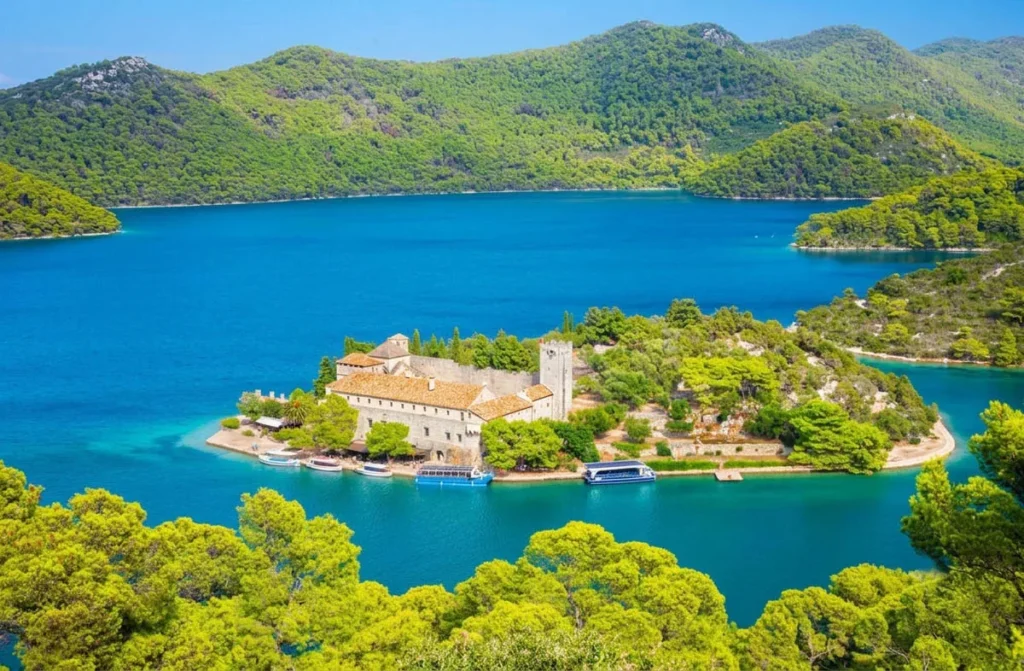 Mljet Croatia
After Lopud, the route leads to Mljet, an island characterised by dense forests, sheltered bays, and a largely undeveloped coastline. The northwestern part of Mljet lies within Mljet National Park, one of the main natural attractions on this Dubrovnik to Dubrovnik yacht charter itinerary.
The national park is best known for Veliko Jezero and Malo Jezero, two saltwater lakes surrounded by pine forest. The small islet of St. Mary lies in Veliko Jezero and is home to a historic Benedictine monastery and church.
Pomena and Polače are the main starting points for visiting the park. From either village, guests can reach the lakes on foot, by bicycle, or using local transport. Small boats cross Veliko Jezero and stop at the islet of St. Mary.
Walking and cycling paths run through the forest and beside the lakes. Pomena and Polače also have several waterfront restaurants serving fish, seafood, and traditional dishes.
Overnight stay in Pomena or Polače.
Mljet to Korčula
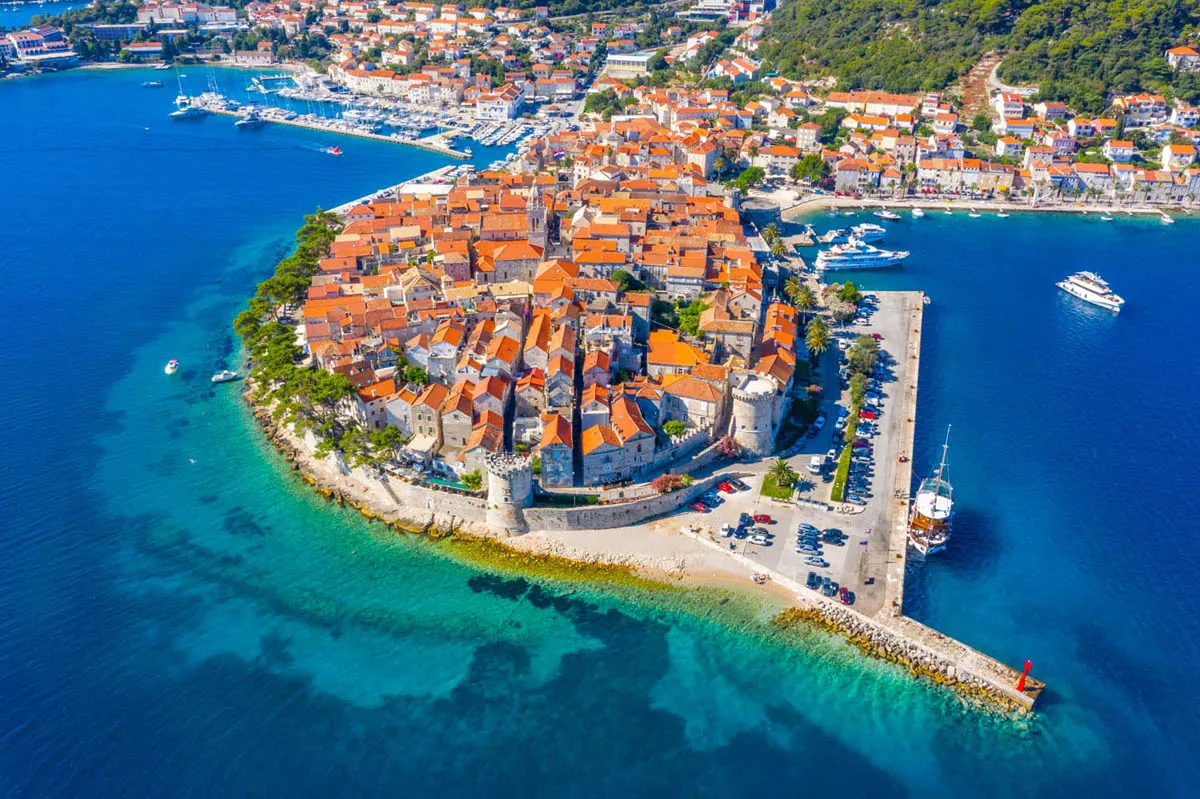
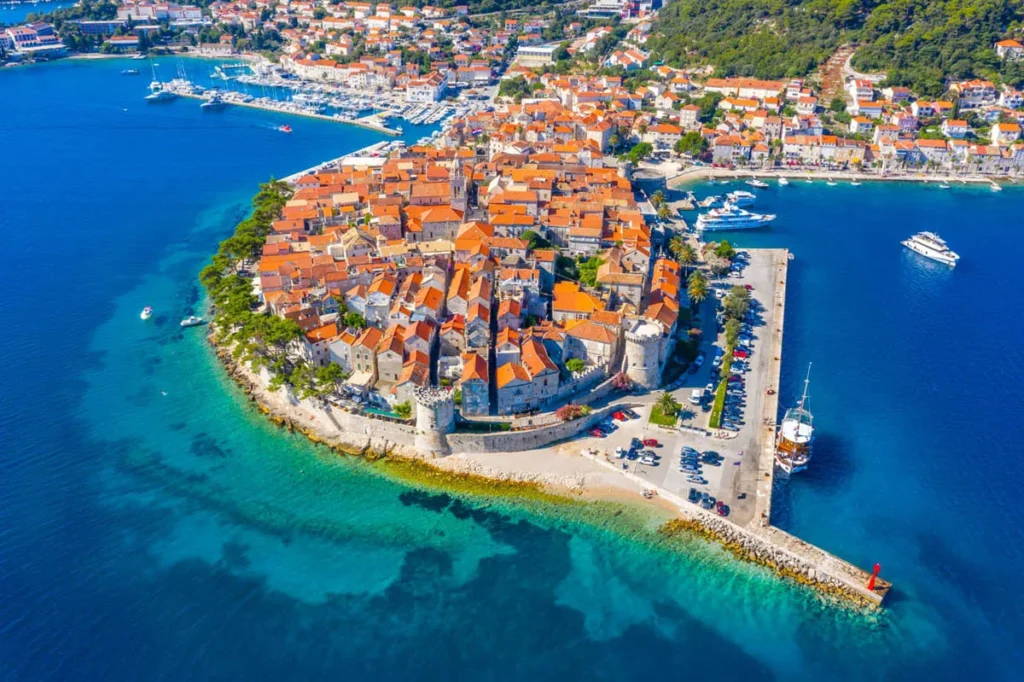 Korcula Croatia
Korčula is next on the route. Approaching Korčula Town from the sea, its stone walls, defensive towers, and terracotta rooftops rise above the Pelješac Channel.
Korčula Town was built on a small peninsula on the eastern side of the island. Its historic centre is surrounded by the remains of medieval fortifications, with narrow stone streets leading to small squares, churches, palaces, and old stone houses.
The layout of the old town is particularly interesting. The streets were planned to allow air to circulate during the summer while providing shelter from colder winds, a feature that is still easy to notice when walking through the centre.
St. Mark’s Cathedral stands in the centre of the old town. The Land Gate, defensive towers, historic palaces, and remaining sections of the town walls are all within walking distance, making Korčula easy to explore on foot.
Korčula is known for Moreška, a traditional sword dance that has been performed on the island for centuries and remains an important part of local culture.
Korčula is also a good place to try the island’s wines. Pošip is produced mainly around Čara and Smokvica, while Grk comes from the sandy vineyards near Lumbarda. Local restaurants and traditional konobas serve both wines with fresh fish, seafood, handmade pasta, and seasonal dishes.
In the evening, there is a good choice of waterfront restaurants, traditional konobas, and smaller restaurants within the old town. The stone streets and squares are particularly pleasant later in the day.
Overnight stay in Korčula Town.
Korčula to Hvar
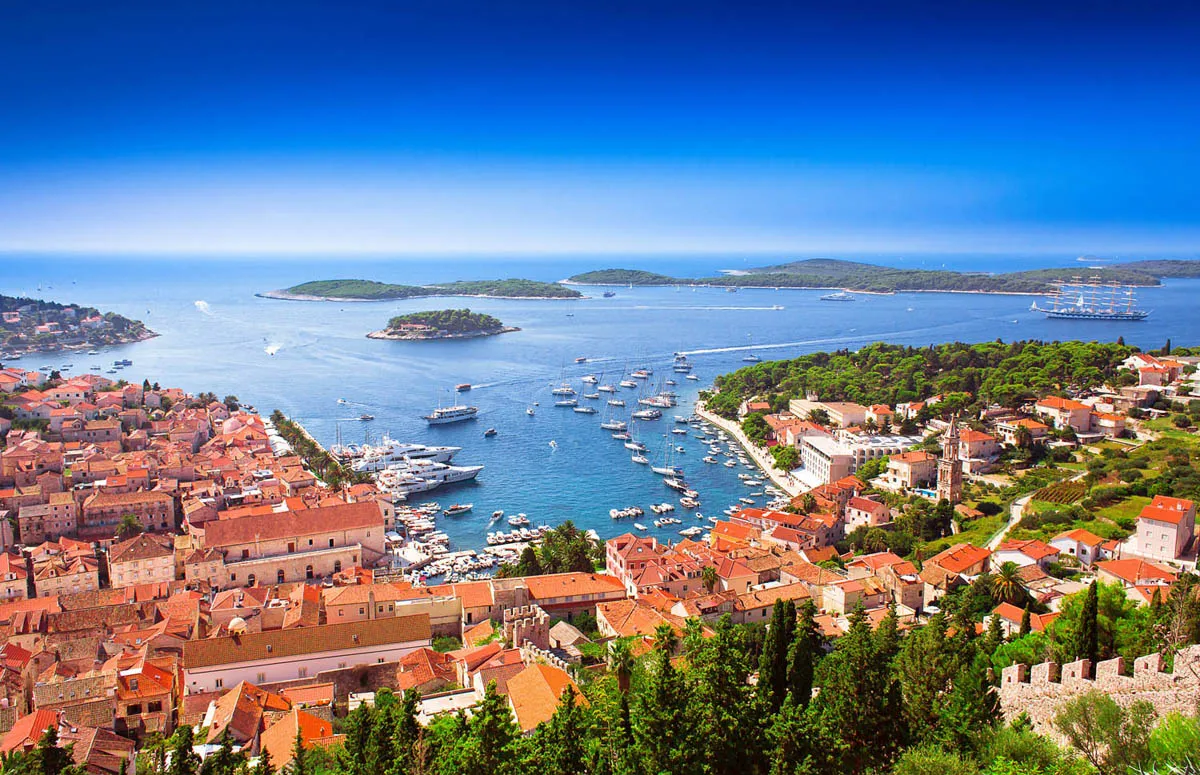
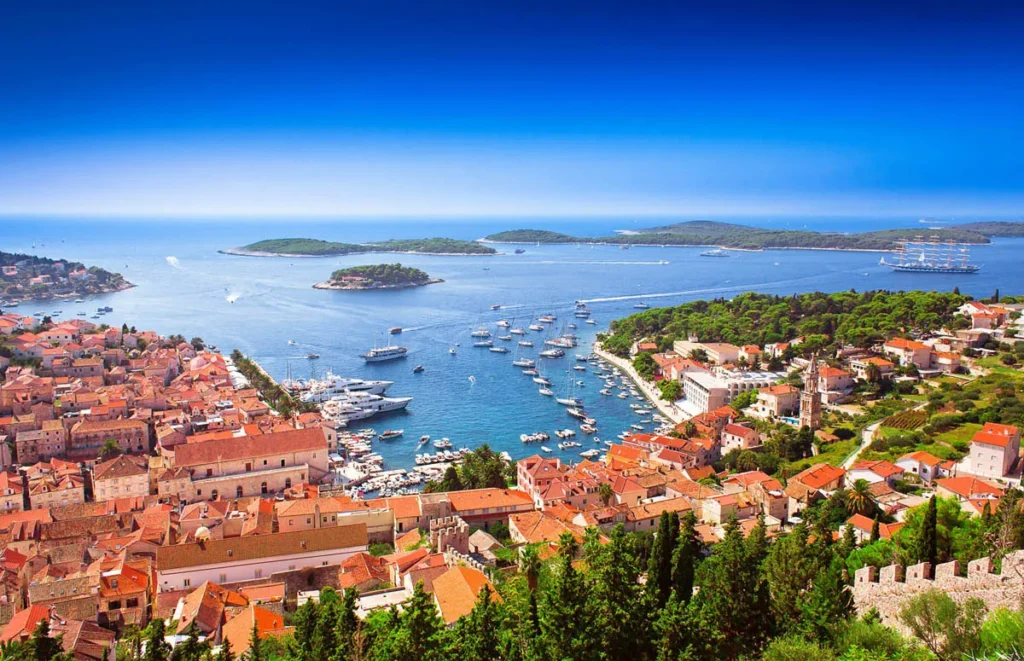 Hvar Croatia
After Korčula, the route moves towards the Hvar area, with Šćedro and the Pakleni Islands along the way.
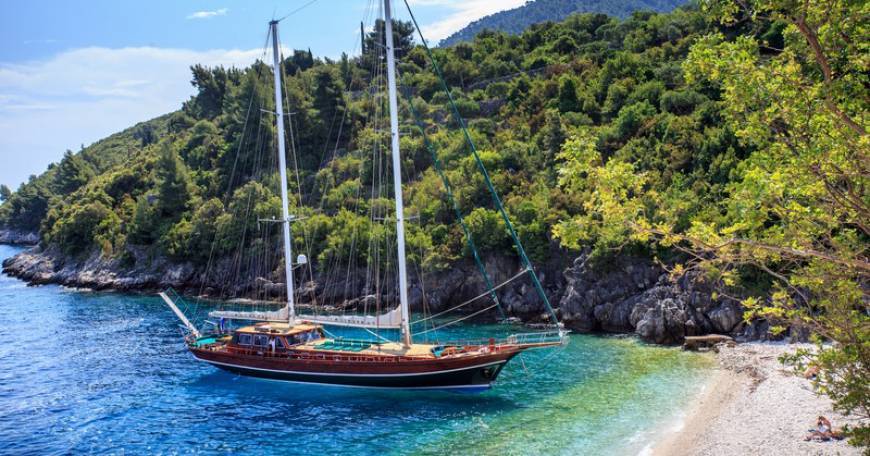
Šćedro lies south of Hvar and is known for its sheltered bays and Mediterranean vegetation. There are no large settlements on the island. The day can include a swimming stop in one of the bays around Šćedro or the Pakleni Islands.
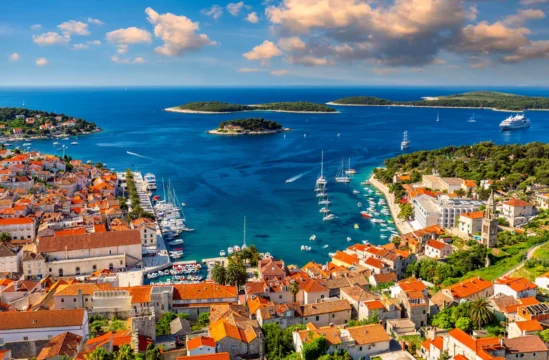
Most Hvar yacht charter itineraries include the Pakleni Islands, a beautiful group of pine-covered islets, sheltered bays and clear water just across from Hvar Town. Much of the archipelago is uninhabited, with wooded shores and narrow passages between the islands. Sveti Klement is the largest of them, while Palmižana, on Sveti Klement, has a marina and several restaurants around the bay.
Later in the day, there is time to visit Hvar Town and explore its historic centre. Behind the waterfront promenade, stone streets lead towards Pjaca, the town’s main square.
St. Stephen’s Cathedral faces the square from its eastern end. Near the waterfront, the Arsenal houses Hvar’s public theatre, founded in 1612. A little farther along the shore is the Franciscan Monastery, beside a small bay on the southern side of the port.
From Fortica Fortress, there are views over Hvar’s rooftops, the port and the Pakleni Islands.
The island of Hvar is also known for lavender, which has been grown here for generations.
Hvar has a wide choice of restaurants, traditional konobas, wine bars, and waterfront venues, both around the old town and near the port.
Overnight stay in one of Hvar’s bays or in Hvar Town.
Hvar to Pelješac
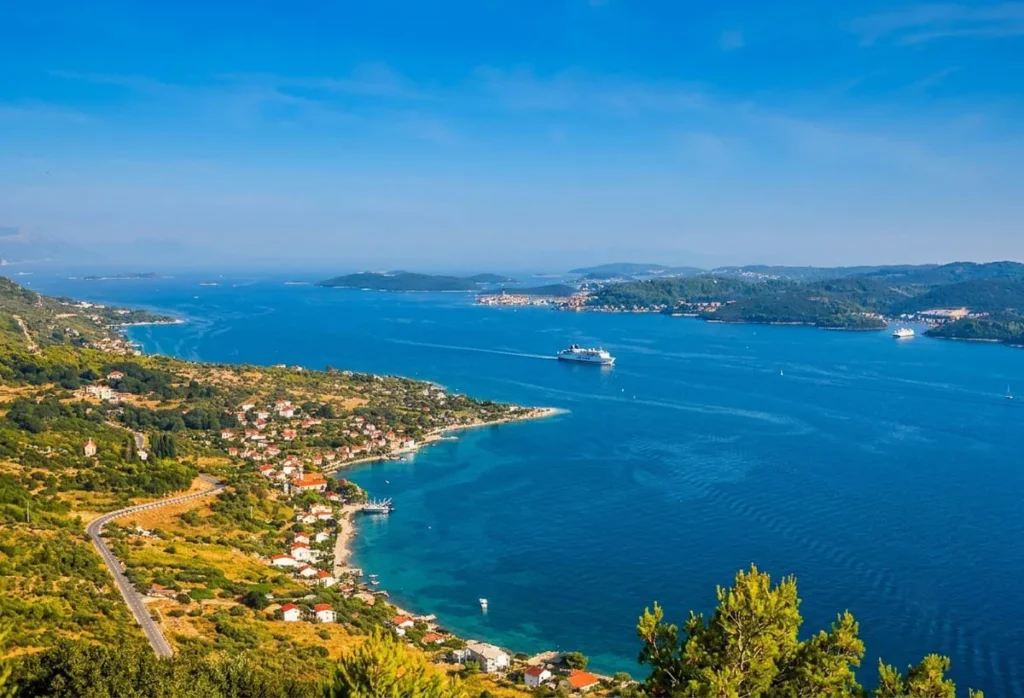 Orebić Peljesac Croatia
From Hvar, the yacht continues towards the Pelješac Peninsula, stopping in one of the beautiful bays along the way for swimming and lunch on board.
Pelješac is known for its vineyards, fishing villages and small coastal settlements. Olive groves and steep slopes shape much of the landscape, while the vineyards around Dingač descend towards the sea.
Plavac Mali is the main red grape variety grown on Pelješac and is used to produce several wines, including Dingač, one of the peninsula’s best-known red wines.
A winery visit or wine tasting can be arranged for guests who would like to learn more about local wine production.
A Dubrovnik to Dubrovnik yacht charter can also include a trip to Ston during the stay on Pelješac. The town is known for its historic walls and centuries-old saltworks. Nearby Mali Ston has a long tradition of oyster farming, and local restaurants serve fresh oysters, fish, seafood and Pelješac wines.
Overnight stay on the Pelješac Peninsula.
Pelješac to Šipan
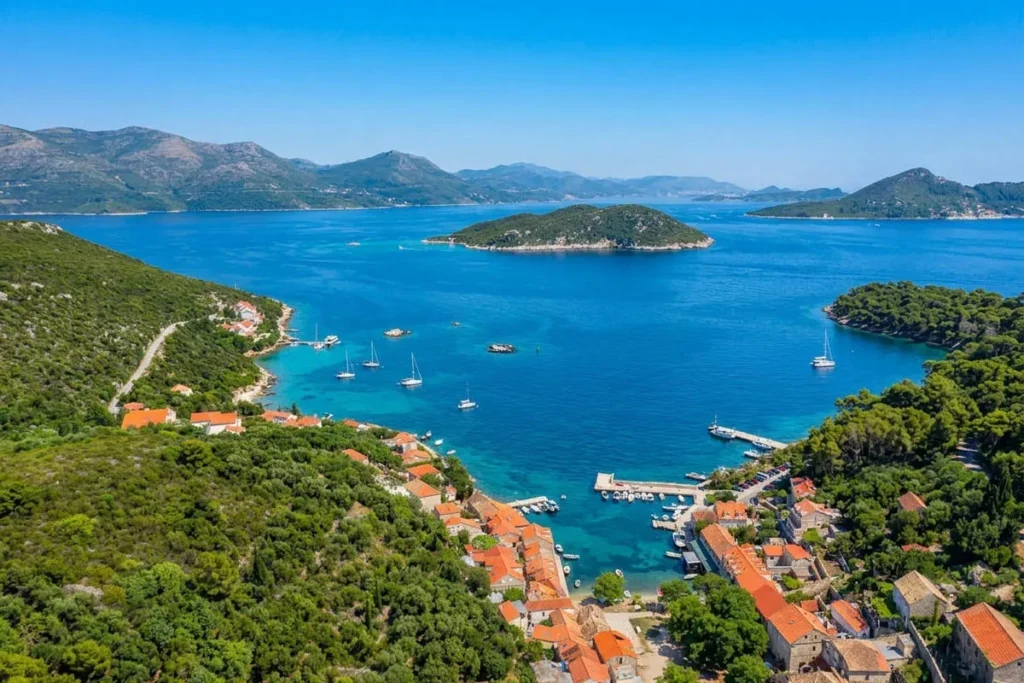 Island Sipan Croatia
From Pelješac, the yacht continues to Šipan, the final island stop before Dubrovnik, with time for swimming and lunch on board along the way.
The island has two main settlements, Šipanska Luka and Suđurađ, connected by a road through olive groves, vineyards and Mediterranean countryside. Stone houses, old churches and former summer residences can still be seen across the island.
Šipan has been closely connected with Dubrovnik for centuries. Wealthy families from the former Dubrovnik Republic built villas and estates here, many of them surrounded by agricultural land. The fortified summer residence of the Skočibuha family in Suđurađ remains one of the best-preserved examples.
Šipanska Luka stretches around a wide bay and has several restaurants along the waterfront. Suđurađ is smaller, with traditional stone houses and the historic Skočibuha residence near the sea.
Olive growing, winemaking, fishing and seafaring have shaped life on Šipan for generations.
Overnight stay on Šipan.
Šipan to Dubrovnik
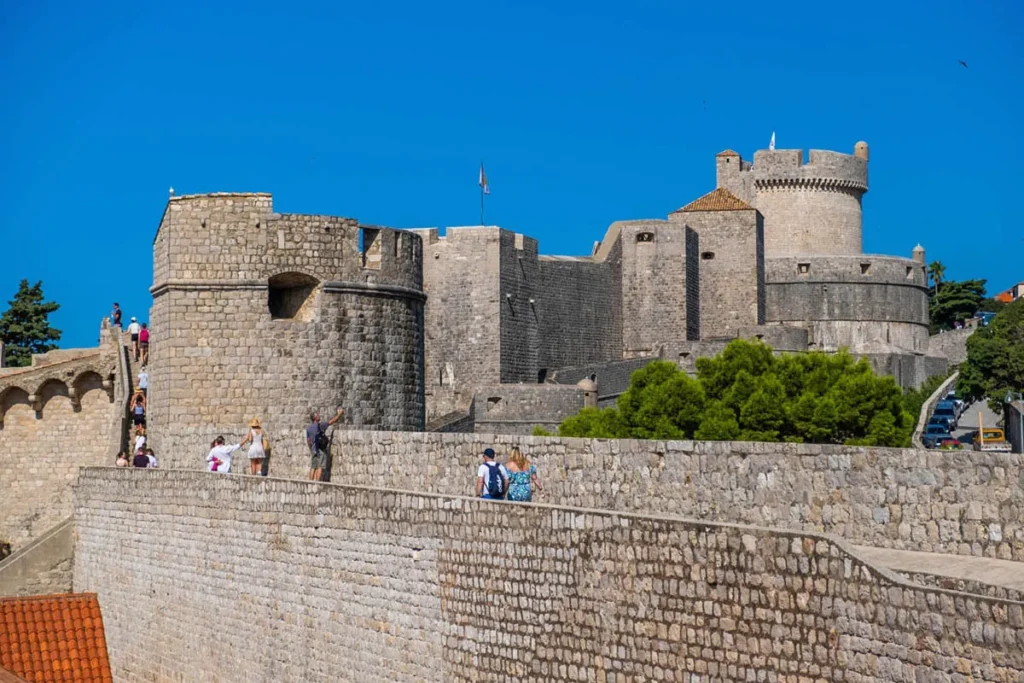 Dubrovnik Croatia
Leaving Šipan, the route turns towards the Dubrovnik area. The day includes a swimming stop and lunch on board in one of the bays along the coast.
The yacht may spend the night in Dubrovnik or in Zaton Veliki, around 10 km from Dubrovnik’s Old Town.
Zaton Veliki lies in a long natural bay surrounded by Mediterranean vegetation. Stone houses and waterfront restaurants line parts of the shore, with beaches and swimming areas nearby.
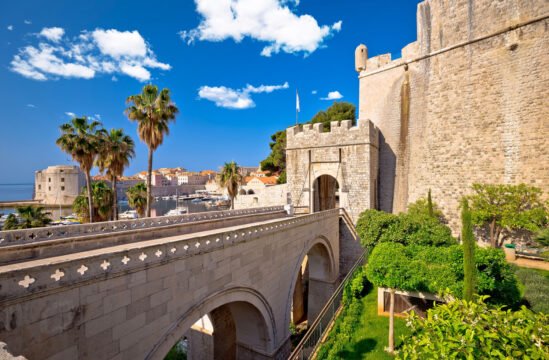
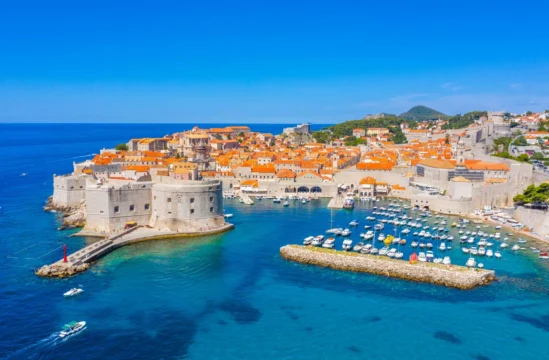
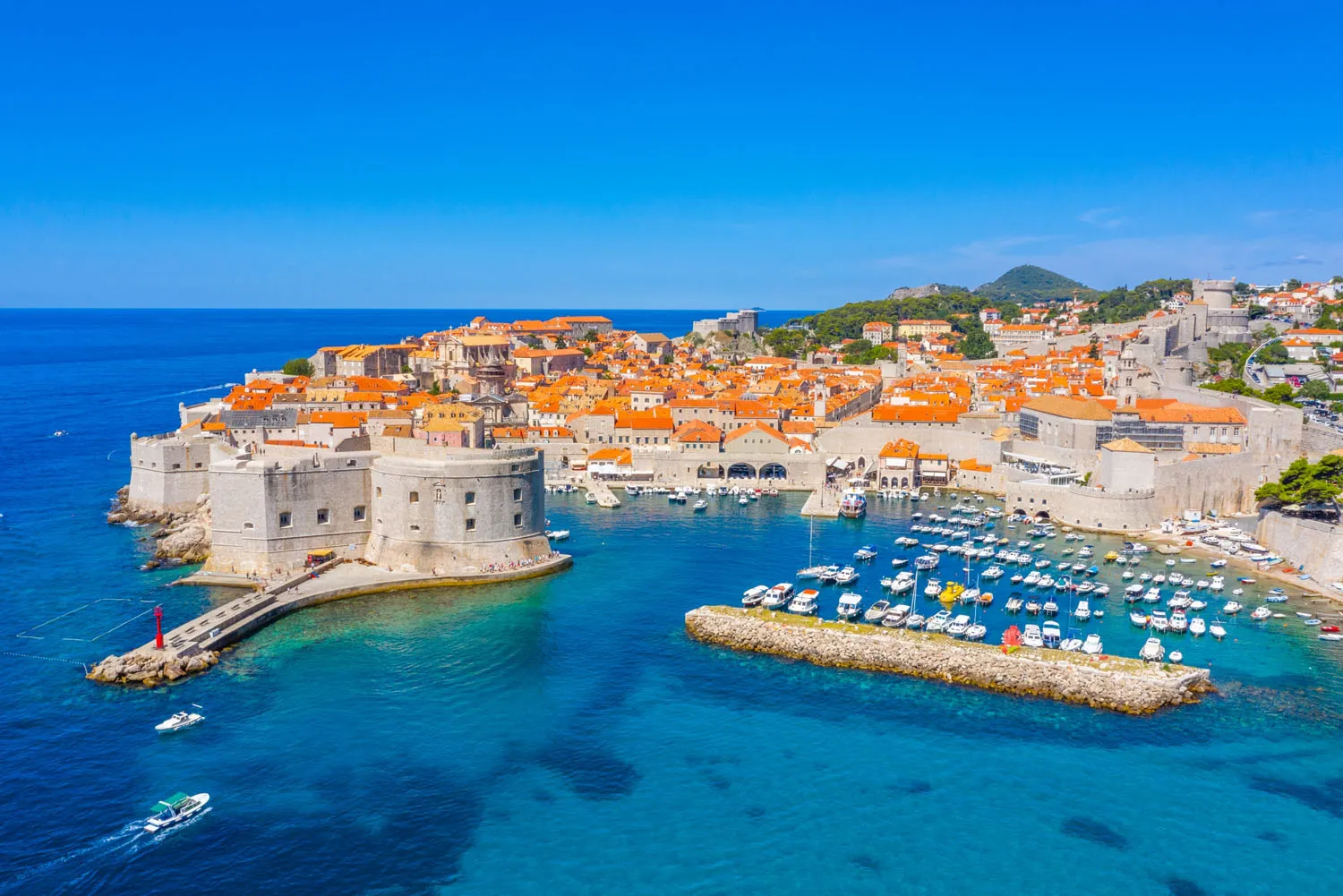
From either location, guests can visit Dubrovnik’s Old Town. Stradun runs through the historic centre, connecting stone streets, squares and some of the city’s best-known buildings. The Rector’s Palace, Sponza Palace and the Church of St. Blaise are all within a short walk, while the Franciscan Monastery is known for its cloister and historic pharmacy.
A walk along the city walls offers views over the rooftops, Fort Lovrijenac and the Adriatic. Another option is the cable car to Mount Srđ, with views of Dubrovnik, the coastline and nearby islands.
Dinner can be enjoyed in Dubrovnik’s Old Town or at one of the waterfront restaurants in Zaton Veliki.
Overnight stay in Dubrovnik or Zaton Veliki, near Dubrovnik.
Disembarkation in Dubrovnik or Zaton Veliki
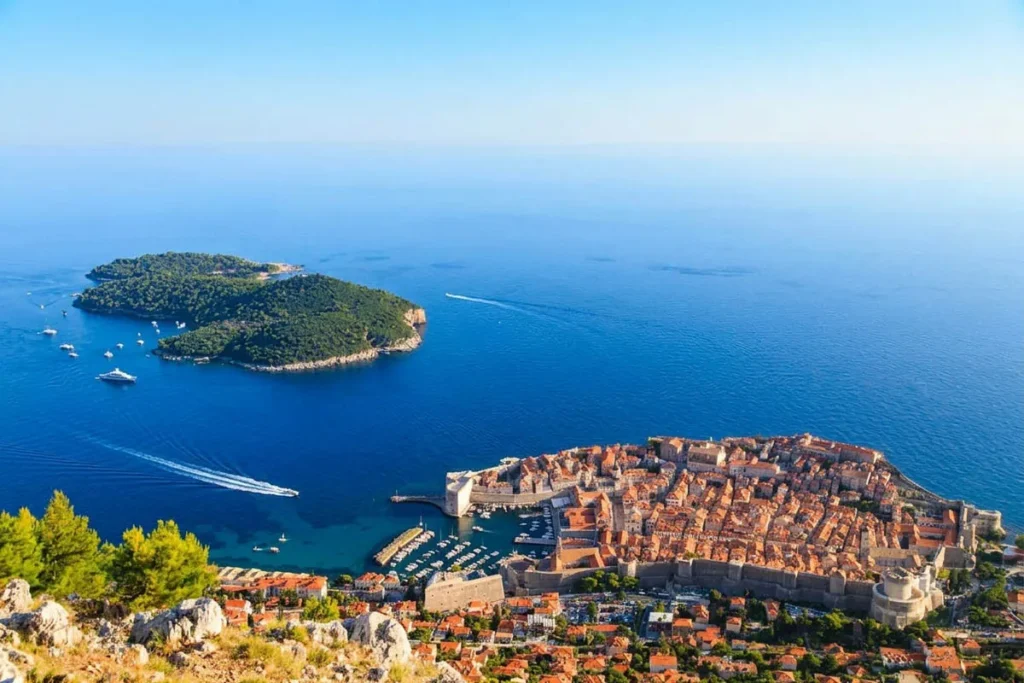 Dubrovnik - Croatia Cruising Destination
After a week spent cruising and exploring the Croatian islands, disembarkation takes place in Dubrovnik or Zaton Veliki at 09:00.